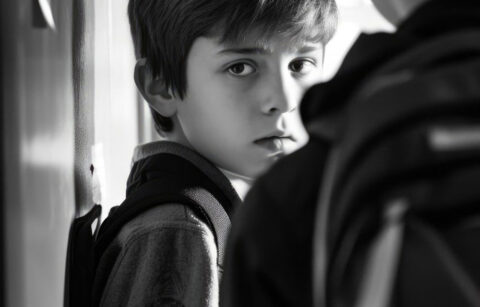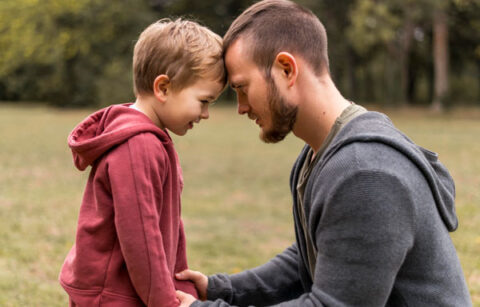

Respect shows up in the little things: listening when someone is talking, using kind words, sharing space, and being mindful of others’ feelings. The roots of respect are empathy and boundaries, which help children become thoughtful, confident, and emotionally intelligent adults.
In a world where respect for one another is rapidly dwindling, how can we teach our children to be respectful?

1. Model the Behavior You Want to See. Children are always watching. They learn more from what we do than what we say. If we speak kindly to others, show patience in frustrating situations, and treat people from all walks of life with dignity, our children are more likely to do the same.
2. Acknowledge When You Behave Inappropriately. When you make a mistake—like raising your voice or losing your temper—own up to it and apologize. This not only demonstrates humility but also teaches your child that respect includes accountability.
3. Teach Empathy Early and Often. Respect begins with understanding and caring about how others feel. Books, storytelling, and even television shows offer great opportunities to talk about emotions and different perspectives. Encourage your child to imagine how others might feel in a variety of situations.
4. Set Clear Expectations and Boundaries. Children need to know what respectful behavior looks like in concrete terms. Set clear, age-appropriate expectations around listening when others are talking, responding to others, using polite language, and following household rules. For instance, you might say, “We listen when others are talking because it shows them that we care about what they have to say.”
5. Practice Respect Within the Family. Home is the first social environment a child experiences. Teaching respect within the family builds the foundation for how children interact with the wider world. Encourage siblings to be kind to each other, solve problems without name-calling, and respect each other’s space and things. Teaching them to ask permission is a simple way to build everyday respect.
6. Reinforce Positive Behavior. When your child acts respectfully—whether by waiting their turn, using good manners, or helping someone without being asked—point it out. Praise specific behaviors: “I really liked how you let your friend go first on the slide. That was very respectful.”

7. Expose Children to Diverse People and Perspectives. One of the most powerful ways to teach respect is to broaden your child’s world. This might mean spending time with people from different cultures, volunteering, or reading books that feature characters with different backgrounds, abilities, or experiences.
8. Teach the Importance of Self-Respect. True respect goes both ways. Teaching children to respect themselves—by setting healthy boundaries, saying no when needed, and valuing their own thoughts and feelings—is just as crucial as teaching them to respect others. When children understand their own worth, they’re more likely to treat others with dignity and expect to be treated the same.

Dr. Beth Long received her education in Counseling Psychology from Chapman University. She is a Licensed Professional Counselor and Board Certified Behavior Analyst. Beth has worked in six unique clinical environments across the country and currently owns Works of Wonder Therapy in Montgomery. Beth utilizes the knowledge from a variety of different disciplines to give her patients the best care possible. To learn more visit www.worksofwondertherapy.com.