My family is finally able to laugh about the day my brother accidentally became “the neighborhood psychopath.” He was a sweet, earnest kid who had been hired to walk two dogs and take them to a little creek in our neighborhood for an adventure. The dogs splashed, played, and enjoyed themselves to the fullest. What my sweet brother did not know was that the creek was full of thick, sticky, and impossible to remove tar. When they finished their walk, their paws were black, their fur was matted, and they tracked tar across our neighbors’ floors like tiny four legged paintbrushes. To help the dogs and neighbors, we had to deep clean the house and shave the dogs.
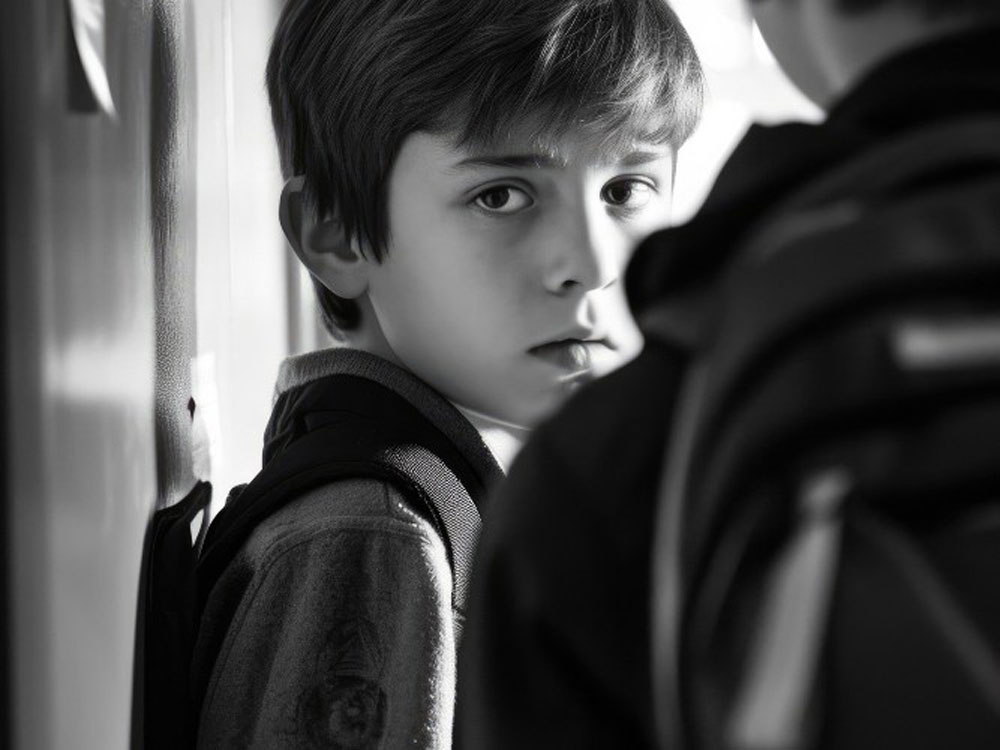
Instead of seeing a child who made a mistake the neighbor, who was, heartbreakingly, a mental health counselor, told other families that my brother was a “psychopath”. He was just a twelve-year-old boy who did not have the skills necessary to understand the consequences of bringing tar into a home. He simply thought the dogs had played in mud and could be easily cleaned. This painful moment in our history is a window into a much bigger cultural problem: our long, harmful history of labeling children with adult criminal or psychiatric terms.

A Brief History of Calling Kids “Criminal,” “Insane,” or “Psychopathic”
For generations, adults have used extreme labels to explain children’s behavior. In the late 1800s and early 1900s, children who struggled with impulse control or trauma were described as “morally insane.” By the mid 20th century, clinicians used the term “juvenile psychopath” to describe kids who were often simply neglected, abused, or developmentally delayed. These dangerous and inaccurate labels were used to shape public perception, influence policy, and justify harsh punishment. Sadly, these misguided opinions still echo today when a frustrated adult calls a child “crazy,” “evil,” “manipulative,” or “psychopathic” for behavior that is rooted in development, skill deficits, and environment, instead of character.
Bryan Stevenson’s Work Shows the Cost of Mislabeling Children
Civil rights attorney Bryan Stevenson has spent decades showing how society’s detrimental labels have harmed children. His work at the Equal Justice Initiative demonstrates that when we call children “criminal,” we stop seeing not only their humanity and pain, but also their potential. Stevenson reminds us that children are more than the worst thing they have ever done. Their brains are in the middle of development and lack the skills needed to make fully accurate, logical, and wise decisions. When children make “crazy” mistakes, they do not need a detrimental diagnosis. They need us to help them learn what they should have done instead.

What Adults Should Do To Help Rather Than Harm
- Build strong systems that do not reinforce “bad” behavior. So many adults assume children are being manipulative, but they are just using the strategies that worked in the past.
- Teach cause and effect gently. We need to make life a classroom, not a courtroom.
- Use accurate language. Address the behavior without attacking the child’s character.
- Model distress tolerance and emotional regulation. Children learn these skills by borrowing our calm.
- Protect their dignity. Shame never builds skills, but connection does.
When we replace labels with understanding, we raise children who feel safe enough to learn and brave enough to grow.

Dr. Beth Long received her education in Counseling Psychology from Chapman University. She is a Licensed Professional Counselor and Board Certified Behavior Analyst. Beth has worked in six unique clinical environments across the country and currently owns Works of Wonder Therapy in Montgomery. Beth utilizes the knowledge from a variety of different disciplines to give her patients the best care possible. To learn more visit www.worksofwondertherapy.com.